
Delta 8 and Delta 9 THC Exploring Their Common Ground
Delta-8 and Delta-9 THC are both cannabinoids derived from cannabis plants, but they exhibit distinct characteristics that impact their effects and legality. Despite their differences, they share several similarities that make them intriguing subjects of study and use within the cannabis community. Delta-8-THC Delta-8-tetrahydrocannabinol and Delta-9-THC Delta-9-tetrahydrocannabinol are closely related compounds. Both are psychoactive, meaning they affect the mind and can alter mood, perception, and cognition. Their chemical structures are nearly identical, with Delta-8 and Delta-9 differing only in the placement of a double bond within their molecular chains. This minor structural variation leads to significant differences in their effects and legality. Delta-9-THC is the most well-known and prevalent form of THC in cannabis. It is primarily responsible for the characteristic high associated with marijuana use. Its effects can include euphoria, relaxation, altered sensory perception, and increased appetite. Delta-9-THC interacts strongly with the CB1 receptors in the brain, which contributes to its psychoactive properties.
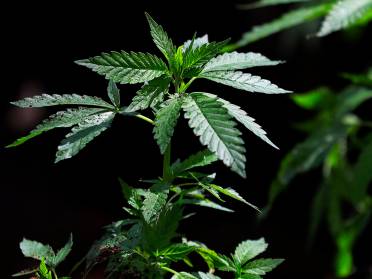
Due to its potent effects and historical associations with recreational use, Delta-9-THC is often the primary focus of cannabis regulation and research. Delta-8-THC, on the other hand, is found in much smaller concentrations in cannabis plants. It has gained popularity as a legal alternative to Delta-9-THC, partly because it is often synthesized from hemp-derived CBD and may fall into a legal gray area. Users report that Delta-8-THC provides a more mild and manageable high compared to Delta-9-THC, with affects that may include less anxiety and paranoia. Delta-8-THC is believed to bind less strongly to CB1 receptors, which could account for its more subtle psychoactive effects. Both cannabinoids interact with the endocannabinoid system, a complex network of receptors and neurotransmitters that regulate various physiological processes. This system plays a crucial role in maintaining balance and homeostasis in the body.
Delta-8 and Delta-9-THC both influence this system, though their impact and intensity vary. In terms of legality, Delta-9-THC is classified as a controlled substance in many parts of the world, including the United States, where it is regulated under federal and state laws. In contrast, Delta-8-THC’s legal status is more ambiguous. Its legality often hinges on specific interpretations of laws related to hemp and cannabis. In some areas, how strong is delta 9 Delta-8-THC is legal and widely available, while in others, it may face restrictions or bans. Both Delta-8 and Delta-9-THC are subjects of ongoing research and debate. While Delta-9-THC has been extensively studied, Delta-8-THC is still relatively new to scientific scrutiny. As the legal landscape and scientific understanding of these cannabinoids continue to evolve, it will be important to stay informed about their effects, benefits, and regulatory status.