
Granite Repair Techniques That Restore Surfaces Like New
Granite surfaces are known for their durability and aesthetic appeal, making them a popular choice for countertops, flooring, and other interior applications. However, despite their robust nature, granite can become chipped, cracked, stained, or dull over time due to regular use and exposure to various elements. Fortunately, several effective repair techniques can restore granite surfaces to their original, pristine condition. One of the most common issues with granite is chipping, especially around edges and corners. To address this, a high-quality epoxy resin mixed with granite dust that matches the stone’s color is applied to the chipped area. The mixture fills the gap seamlessly, hardening into a durable surface that blends with the rest of the granite. After the epoxy cures, the repaired spot is polished to ensure a smooth finish. This technique not only restores the aesthetic appeal but also maintains the integrity of the surface.
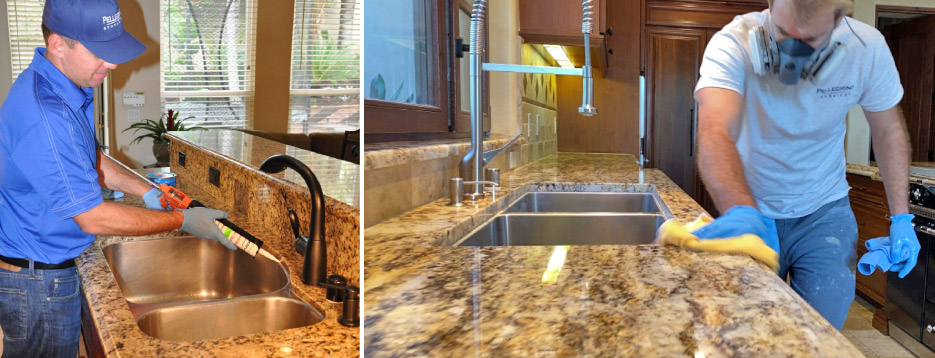
Cracks in granite surfaces are another frequent problem, often resulting from impact or stress. To repair cracks, the area is first cleaned thoroughly to remove dirt and debris. Then, a specially formulated stone adhesive is injected into the crack to bond the separated parts. Once the adhesive sets, the surface is buffed and polished to minimize the visibility of the repair. In cases where the crack runs deep, reinforcing the granite with metal rods embedded in the adhesive can add structural stability. Staining is another common issue, often caused by oils, acids, or water seeping into the porous surface. Removing stains requires identifying the stain type and using the appropriate cleaning technique. Organic stains from food or plants can usually be removed with a poultice made of baking soda and hydrogen peroxide, while oil-based stains might require solvents like acetone. For deep or stubborn stains, professional-grade poultices specifically designed for granite are recommended. After stain removal, sealing the granite helps protect it from future damage. Granite can also lose its shine over time, primarily due to constant exposure to acidic substances or abrasive cleaning products.
Restoring the luster typically involves polishing the surface using diamond polishing pads, which gradually smooth out imperfections. The process starts with coarser grits to remove scratches and dull spots, followed by finer grits to achieve a mirror-like finish. After polishing, applying a penetrating sealer adds a layer of protection against moisture and staining, extending the stone’s longevity. In some cases, the damage may be extensive, such as deep cracks or severe etching, making professional restoration services necessary. Experts use advanced equipment and techniques to grind down the damaged surface and refinish it, preserving the original pattern and color. Re-sealing is an essential final step, as it enhances the stone’s resistance to future damage look at this web-site here. Maintaining granite after repair is crucial for prolonging its restored state. Regular cleaning with pH-neutral cleaners, avoiding harsh chemicals, and periodic sealing can help maintain the granite’s appearance and durability. Implementing these practices ensures that the investment in granite surfaces continues to pay off, keeping them looking new and pristine for years to come.