
Heck Of A Bunch

Attractive information to enhance your taughts

Month: August 2024

Can Hyperbaric Oxygen Therapy Aid in Wound Healing and Recovery?

Yes, Hyperbaric Oxygen Therapy (HBOT) can aid in wound healing and recovery. By delivering pure oxygen in a pressurized environment, it enhances oxygen levels in your tissues, which boosts healing processes. This therapy promotes new blood vessel growth, reduces inflammation, and stimulates collagen production. It’s especially effective for chronic wounds, like diabetic ulcers and pressure sores, shortening healing time considerably. You could experience faster recovery, less pain, and improved overall quality of life. Curious about the specifics of how HBOT works and its benefits? There’s much more to explore on this fascinating treatment option.

What Is Hyperbaric Oxygen Therapy?

Hyperbaric Oxygen Therapy (HBOT) involves breathing pure oxygen in a pressurized environment, which greatly enhances the amount of oxygen your body can absorb. The history of HBOT dates back to the 17th century when it was first explored for its therapeutic benefits. Over time, it gained recognition for treating conditions like decompression sickness and carbon monoxide poisoning, making it a hyperbaric treatment that can get results.

Today, its treatment applications have expanded considerably, effectively addressing issues such as chronic wounds, infections, and radiation injuries.

You might find that HBOT promotes healing by improving oxygen delivery to damaged tissues, reducing inflammation, and supporting new blood vessel growth.

Understanding these aspects can help you appreciate the potential of HBOT in enhancing recovery and wound healing processes.

How HBOT Works for Healing

When you explore how HBOT aids in healing, you’ll discover its unique mechanism of action.

It greatly enhances oxygen delivery to tissues, promoting the regeneration process.

Understanding these key points can help you appreciate the therapy’s effectiveness in wound healing.

Mechanism of Action

Oxygen levels in tissues markedly increase during hyperbaric oxygen therapy, promoting faster healing and reducing inflammation. As you undergo HBOT, the high-pressure environment elevates oxygen saturation in your blood, allowing more oxygen to reach damaged tissues.

This influx of oxygen helps combat wound inflammation by enhancing the body’s natural healing processes. The increased oxygen levels stimulate the production of collagen, which is essential for tissue repair.

Additionally, HBOT encourages the formation of new blood vessels, improving circulation to the affected area. This combination of effects not only accelerates healing but also reduces the risk of infection.
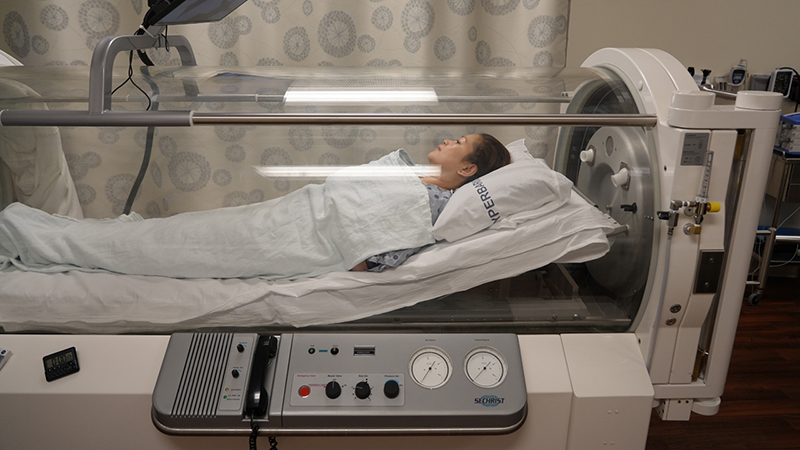
hyperbaric treatment that can get results

Enhanced Oxygen Delivery

The high-pressure environment of hyperbaric oxygen therapy greatly enhances the delivery of oxygen to tissues, making it essential for effective wound healing.

When you undergo HBOT, the increased pressure raises oxygen saturation levels in your blood, allowing more oxygen to dissolve in your plasma and reach damaged tissues.

This boost in oxygen availability helps your body combat infection and reduces inflammation, both critical factors in wound recovery.

Additionally, higher oxygen levels support the formation of new blood vessels and improve overall circulation, which further promotes healing.

Tissue Regeneration Process

Hyperbaric oxygen therapy accelerates the tissue regeneration process by stimulating cellular activities essential for healing.

When you undergo HBOT, your body receives increased oxygen levels, which boosts cellular regeneration. This heightened oxygen supply enhances the function of fibroblasts and keratinocytes, key players in wound repair. These cells work together to produce collagen and new tissue, promoting faster recovery from injuries.

Additionally, HBOT reduces inflammation and helps to prevent infection, creating an ideal environment for healing. As you experience this therapy, your body not only repairs existing wounds but also improves overall tissue health, allowing for more efficient regeneration.

Conditions Treated by HBOT

Many patients find that hyperbaric oxygen therapy effectively treats a variety of conditions, particularly those involving chronic wounds and infections.

If you’re dealing with diabetic ulcers, HBOT can greatly enhance the healing process by providing increased oxygen levels to the affected tissues. This treatment stimulates the formation of new blood vessels, which is essential for wound recovery.

Chronic wounds, such as those stemming from pressure ulcers or venous insufficiency, also benefit from HBOT. The therapy helps reduce inflammation and promotes collagen production, making it easier for your body to repair itself.

Benefits of Hyperbaric Oxygen Therapy

When you undergo hyperbaric oxygen therapy, you boost your body’s ability to heal by enhancing oxygen delivery to tissues and reducing inflammation.

This therapy can considerably speed up recovery times for wounds, making it a valuable option for many patients.

Additionally, the cost effectiveness of hyperbaric oxygen therapy has garnered attention, as it may reduce the need for more invasive treatments and long-term care.

Improved patient accessibility also plays an essential role; as more facilities offer this therapy, individuals can more easily access this beneficial treatment.

Potential Risks and Considerations

While hyperbaric oxygen therapy offers numerous benefits, it’s essential to be aware of the potential risks and factors that come with the treatment. Understanding these risk factors can help guarantee patient safety during therapy.

Here are some key points to reflect on:

  1. Barotrauma: Changes in pressure can cause injuries to the ears or lungs.
  2. Oxygen Toxicity: Excessive oxygen can lead to seizures or lung damage.
  3. Claustrophobia: Some patients may feel anxious in enclosed spaces.
  4. Pre-existing Conditions: Patients with certain health issues, like COPD or a history of ear problems, may face additional risks.

Discuss these factors with your healthcare provider to determine if hyperbaric oxygen therapy is right for you.

Evidence and Research Findings

In exploring the evidence behind hyperbaric oxygen therapy, you’ll want to focus on its mechanism of action and how it promotes healing.

Clinical studies show promising results, revealing significant improvements in various patient outcomes.

Understanding these findings can help you appreciate the therapy’s potential benefits in wound healing.

Mechanism of Action

Hyperbaric oxygen therapy substantially enhances wound healing through increased oxygen availability, which promotes cellular repair and reduces inflammation. It alters the wound microenvironment, optimizing oxygen dynamics essential for recovery.

Here’s how it works:

  1. Increased Oxygen Delivery: Higher oxygen levels directly support the metabolism of healing cells.
  2. Enhanced Angiogenesis: Oxygen stimulates the formation of new blood vessels, improving nutrient delivery.
  3. Reduced Edema: It helps decrease swelling by promoting fluid absorption and lymphatic drainage.
  4. Inhibition of Infection: Elevated oxygen levels can suppress bacterial growth, reducing the risk of infections.

Clinical Study Results

How effective is hyperbaric oxygen therapy in promoting wound healing?

Research shows it considerably reduces healing time and improves outcomes for various types of wounds.

Clinical studies indicate that patients undergoing this therapy experience a significant reduction in wound size and increased tissue regeneration.

You’ll find that the clinical implications are vast, especially for chronic wounds like diabetic ulcers and surgical wounds.

Patient testimonials further support these findings, with many individuals reporting faster recovery and less pain.

These positive experiences emphasize the therapy’s potential to enhance traditional wound care methods.

As you consider hyperbaric oxygen therapy, it’s crucial to weigh the evidence and understand its promising role in effective wound healing strategies.

Patient Outcomes Analysis

Patient outcomes from hyperbaric oxygen therapy show impressive improvements in wound healing, with many studies highlighting faster recovery times and enhanced quality of life for individuals.

Key findings include:

  1. Reduced recovery timelines: Patients often experience quicker healing compared to traditional methods.
  2. Increased patient satisfaction: Many report higher levels of comfort and relief during treatment.
  3. Lower complication rates: Reduced risks of infection and other complications contribute to better overall outcomes.
  4. Enhanced mobility and function: Patients frequently regain their physical abilities sooner, leading to a more active lifestyle.

These factors collectively emphasize how hyperbaric oxygen therapy not only speeds up healing but also markedly boosts patient satisfaction, paving the way for a more effective recovery journey.

What Should You Expect During a Vasectomy Reversal Consultation?

During a vasectomy reversal consultation, you’ll explore your medical history and discuss the different surgical options available. Your doctor will review any previous surgeries, medical conditions, and lifestyle factors that could impact recovery. You’ll also talk about anesthesia choices and pain management, setting expectations for the procedure and recovery timeline. It’s important to understand the success rates based on your unique situation, as well as the potential risks involved. Being prepared emotionally is essential too. Insights on your journey ahead would be beneficial, so stay tuned for more information to help you navigate this process confidently.

Overview of Vasectomy Reversal

Vasectomy reversal is a surgical procedure that reconnects the tubes that were cut during a vasectomy, allowing for the possibility of fathering children again. You might consider a reversal for several reasons, such as changes in your personal life, like a new partner or the desire to expand your family. If you are looking for the best vasectomy reversal in Melbourne, consulting with a top specialist in the area can provide you with the highest chance of success.

Understanding the emotional implications is essential, as the decision to reverse can be deeply personal and may involve feelings of hope, anxiety, or regret.

You’ll want to reflect on your reasons and how they align with your current life circumstances.

Knowing what to expect during the reversal process can help you prepare mentally and emotionally, ensuring you’re ready for the journey ahead.

Medical History Review

During your consultation, the doctor will thoroughly review your medical history to assess any factors that may impact the success of the reversal. This step is essential for setting realistic patient expectations and addressing any emotional considerations you might have.

Here are some key aspects the doctor may discuss:

  • Previous surgeries and their outcomes
  • Medical conditions that could affect recovery
  • Current medications and allergies
  • Family health history related to fertility
  • Lifestyle factors, such as smoking or weight

Discussion of Surgical Options

When you consider a vasectomy reversal, it’s important to explore the different surgical techniques available to you.

You’ll also need to understand the anesthesia options and pain management strategies that can help ease your experience.

Types of Surgical Techniques

Several surgical techniques are available for reversing a vasectomy, each tailored to your specific needs and circumstances. You’ll likely encounter two main categories: microsurgical techniques and non-microsurgical approaches. Understanding these options can help you make an informed decision.

Microsurgical Techniques: These involve specialized equipment for precision and minimal trauma.

Non-Microsurgical Approaches: More traditional methods, often quicker but with potential for more complications.

Anastomosis: The reconnection of the vas deferens.

Vasoepididymostomy: Bypassing a blockage by connecting the vas deferens directly to the epididymis.

Surgical Time: Microsurgical techniques typically require longer operation times.

Discuss these options with your surgeon to find the best fit for your unique situation.

Anesthesia and Pain Management

Choosing the right anesthesia and pain management plan is essential for ensuring comfort and a smooth recovery after your vasectomy reversal.

During your consultation, you’ll discuss various anesthesia types, such as local anesthesia, sedation, or general anesthesia, depending on your preference and the complexity of the procedure. Your surgeon will help you understand the benefits and risks of each option.

Pain relief is also vital, and your doctor may recommend over-the-counter pain medications or prescribe stronger options to manage discomfort effectively.

You’ll want to communicate openly about your pain tolerance and any previous experiences with anesthesia, as this will guide your surgeon in tailoring a pain management strategy that suits your needs.

Expected Recovery Timeline

After your vasectomy reversal, you can expect a recovery timeline that varies based on the surgical technique used and your individual healing process. Generally, here’s what you might anticipate:

First 24 hours: Rest and minimal movement.

Week 1: Mild discomfort; follow post-operative care guidelines.

Weeks 2-4: Gradual return to normal activities; monitor for swelling.

1-3 months: Fertility may take time to return; emotional support is essential.

6 months: Follow-up appointment to assess recovery and fertility status.

Throughout this period, prioritize your post-operative care for a smoother recovery.

Don’t hesitate to lean on emotional support from loved ones; it can make a significant difference in your healing journey.

Success Rates and Factors

Understanding the success rates of vasectomy reversal involves evaluating various factors that can influence the outcome.

Success statistics indicate that many men achieve pregnancy after the procedure, but these rates can vary widely. Your fertility potential hinges on several key elements, including the time elapsed since the original vasectomy, the age of both partners, and the type of reversal technique used.

Generally, the sooner you have the reversal after the vasectomy, the higher the chances of success. Additionally, your partner’s fertility health plays a critical role.

During your consultation, your doctor will discuss these factors in detail, helping you set realistic expectations based on your unique situation. Understanding these aspects will empower you to make informed decisions.

Potential Risks and Complications

When considering a vasectomy reversal, it’s important to understand the potential risks and complications involved.

You’ll face surgical risks, and anesthesia considerations play a vital role in your overall safety.

Additionally, be prepared for the possibility of infection and the recovery time needed for proper healing.

Surgical Risks Involved

Although vasectomy reversals are generally safe, they do carry potential risks and complications that you should be aware of before proceeding. Understanding these surgical complications can help you make an informed decision.

Here are some risks to take into account:

  • Infection at the surgical site
  • Bleeding or hematoma formation
  • Chronic pain or discomfort
  • Damage to surrounding tissues
  • Long-term effects on fertility

While many men successfully regain fertility, it’s important to discuss these potential risks with your doctor.

Being aware of these complications will help you prepare for the procedure and its aftermath.

Always weigh the benefits against the potential long-term effects to guarantee you’re making the best choice for your situation.

Anesthesia Considerations

Anesthesia plays an essential role in your vasectomy reversal, but there are potential risks and complications you should consider before the procedure.

You may have the option of local anesthesia or sedation options, each with its own set of benefits and risks. Local anesthesia numbs only the surgical area, allowing you to remain awake during the procedure, which can reduce recovery time. However, some patients may experience anxiety or discomfort.

On the other hand, sedation options can help you relax, but they carry risks like respiratory issues or adverse reactions.

Discuss your medical history and preferences with your surgeon to determine the best choice for you, ensuring you’re well-informed about the potential complications associated with each anesthesia method.

Infection and Recovery Time

Infection is a potential risk during your vasectomy reversal, and understanding how it can impact your recovery time is essential for a successful healing process. Proper post-operative care and infection prevention measures greatly reduce the likelihood of complications.

Here are some key points to keep in mind:

  • Keep the surgical site clean and dry.
  • Follow your surgeon’s instructions for wound care.
  • Take prescribed antibiotics as directed.
  • Avoid heavy lifting and strenuous activities for a few weeks.
  • Monitor for signs of infection, such as increased redness or discharge.

Preparing for the Procedure

Before the procedure, you’ll need to follow a few important guidelines to guarantee everything goes smoothly.

First, arrange for emotional support from family or friends; having someone to lean on will help ease any anxiety.

Next, consider the financial aspects of the procedure. Make certain you understand costs, insurance coverage, and payment options to avoid surprises later.

You might also need to take time off work, so plan accordingly.

Additionally, your doctor may provide specific instructions regarding medications, diet, and what to avoid in the days leading up to the surgery.

Following these steps will guarantee you’re physically and emotionally ready for the vasectomy reversal, allowing you to focus on a successful outcome.

Dark Web Tools Revolutionize Data Protection in a Connected World

In an increasingly connected world where data breaches and cyber threats have become commonplace, the Dark Web has emerged as an unexpected player in the revolution of data protection. Traditionally associated with illicit activities and hidden networks, the Dark Web’s tools and technologies are now being leveraged to enhance cybersecurity in novel ways. This shift highlights a paradox where a realm of the internet known for its anonymity and secrecy is contributing to the advancement of security protocols that protect our personal and organizational data. One of the primary ways the Dark Web contributes to data protection is through the provision of intelligence on emerging threats. Cybersecurity professionals and organizations can access Dark Web forums and marketplaces to monitor discussions and transactions that might indicate new types of malware, phishing schemes, or other attack vectors. By staying informed about these threats, they can preemptively bolster their defenses and develop countermeasures before these threats escalate into significant breaches. This proactive approach is crucial in a landscape where cybercriminals are constantly evolving their tactics.

Furthermore, tools and techniques initially developed in the hidden wiki Dark Web are now being repurposed for legitimate security measures. For example, advanced encryption methods and anonymizing technologies, once used to obscure illegal activities, are being adopted to safeguard communications and protect sensitive information. These technologies offer enhanced levels of privacy and security, which are invaluable in both personal and professional contexts. The same principles of anonymity that once shielded illicit operations are now helping to shield legitimate users from prying eyes and data theft. The rise of Dark Web monitoring services is another significant development. These services use sophisticated algorithms and data mining techniques to scour Dark Web sites and forums for stolen data, compromised credentials, and other indicators of data breaches. When such information is detected, organizations can take immediate action to secure their systems and mitigate potential damage. This capability is especially important in an era where data breaches can have far-reaching consequences, including financial loss, reputational damage, and legal ramifications.

Moreover, the hidden wiki Dark Web’s role in fostering a community of security researchers and ethical hackers cannot be overlooked. Many individuals operating within the Dark Web are driven by the same motives as those working in legitimate cybersecurity fields – the pursuit of knowledge and the desire to protect against malicious threats. Collaborations between these communities can lead to the development of innovative security solutions and a deeper understanding of the techniques used by cybercriminals. In conclusion, while the Dark Web has long been associated with illegal activities, its tools and technologies are increasingly playing a pivotal role in the evolution of data protection. By providing critical threat intelligence, advancing encryption methods, and fostering a collaborative environment for security experts, the Dark Web is proving to be an unexpected ally in the fight against cyber threats. As the digital landscape continues to evolve, harnessing these unconventional resources will be key to developing robust defenses against an ever-changing array of cyber dangers.

Aquarium Moss Balls – A Natural Solution for Cleaner and Healthier Fish Tanks

Aquarium moss balls, also known as Marimo moss balls, have become increasingly popular among aquarists as a natural and effective way to enhance the health and appearance of fish tanks. These fascinating, spherical algae are not just a decorative addition they offer several practical benefits that make them a valuable asset for maintaining a clean and thriving aquatic environment. Marimo moss balls Aegagropila linnaei are a type of green algae found in freshwater lakes, primarily in Japan, Iceland, Estonia, and Scotland. These algae naturally form into spherical shapes, which is why they are commonly referred to as moss balls. Unlike other types of algae that can form unsightly and troublesome blooms, moss balls are admired for their unique appearance and their ability to positively impact the aquarium ecosystem.

Natural Filtration

One of the most significant benefits of aquarium moss balls is their natural filtration capabilities. Moss balls have a remarkable ability to absorb excess nutrients, particularly nitrates and phosphates, from the water. These nutrients, if left unchecked, can lead to problems such as algae overgrowth and poor water quality. By absorbing these excess nutrients, moss balls help to keep the water in your aquarium clearer and healthier. The moss balls work as a natural filter by removing organic waste and toxins from the water, which can lead to a reduction in algae growth. This makes them an excellent companion for fish tanks, as they help maintain a more balanced and stable environment. Additionally, the presence of moss balls can reduce the need for frequent water changes and chemical treatments.

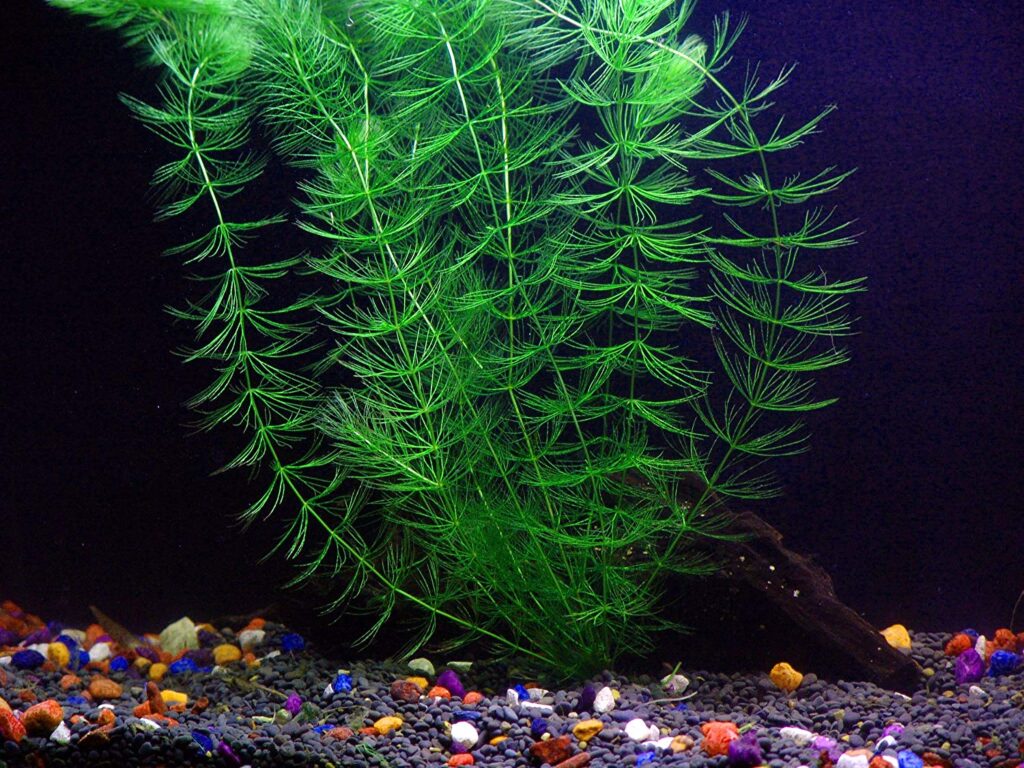
aquarium plants


Enhancing Fish Health

Healthy water quality is crucial for the well-being of fish and other aquatic inhabitants. By helping to maintain a cleaner environment, moss balls indirectly contribute to the overall health of your fish. They provide a more stable and less stressful habitat, which is essential for preventing diseases and promoting healthy growth. Moreover, moss balls offer a unique habitat for small creatures and microorganisms in the tank. Tiny organisms, such as beneficial bacteria and microorganisms, can colonize the moss balls, adding an extra layer of biological filtration to the tank. This creates a more dynamic and balanced ecosystem, benefiting both the moss balls and the aquatic life in the tank.

Aesthetic Appeal

Beyond their practical benefits, moss balls add a distinctive and pleasing aesthetic to any aquarium. Their vibrant green color and spherical shape create a visually appealing contrast against the backdrop of your tank. They can be used to create interesting arrangements and add texture to the tank’s decor. Moss balls are also incredibly low-maintenance. They require minimal care and can thrive in a variety of conditions, including different light levels and water temperatures. Simply occasionally rolling them around to ensure even growth and rinsing them in tank water during regular maintenance is typically sufficient to keep them in good shape.

Aquarium marimo balls offer a natural, aesthetically pleasing, and functional solution for maintaining a clean and healthy fish tank. Their ability to absorb excess nutrients, reduce algae growth, and contribute to a balanced aquatic environment makes them an invaluable addition to any aquarium setup.