
Can Hyperbaric Oxygen Therapy Aid in Wound Healing and Recovery?
Yes, Hyperbaric Oxygen Therapy (HBOT) can aid in wound healing and recovery. By delivering pure oxygen in a pressurized environment, it enhances oxygen levels in your tissues, which boosts healing processes. This therapy promotes new blood vessel growth, reduces inflammation, and stimulates collagen production. It’s especially effective for chronic wounds, like diabetic ulcers and pressure sores, shortening healing time considerably. You could experience faster recovery, less pain, and improved overall quality of life. Curious about the specifics of how HBOT works and its benefits? There’s much more to explore on this fascinating treatment option.
What Is Hyperbaric Oxygen Therapy?
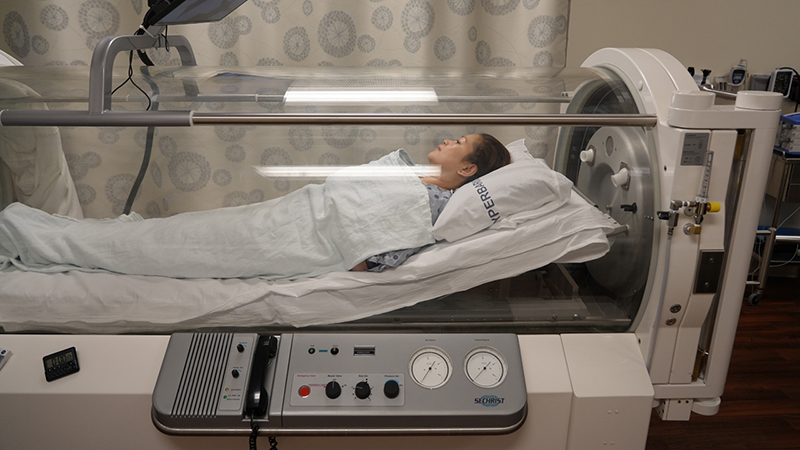
Hyperbaric Oxygen Therapy (HBOT) involves breathing pure oxygen in a pressurized environment, which greatly enhances the amount of oxygen your body can absorb. The history of HBOT dates back to the 17th century when it was first explored for its therapeutic benefits. Over time, it gained recognition for treating conditions like decompression sickness and carbon monoxide poisoning, making it a hyperbaric treatment that can get results.
Today, its treatment applications have expanded considerably, effectively addressing issues such as chronic wounds, infections, and radiation injuries.
You might find that HBOT promotes healing by improving oxygen delivery to damaged tissues, reducing inflammation, and supporting new blood vessel growth.
Understanding these aspects can help you appreciate the potential of HBOT in enhancing recovery and wound healing processes.
How HBOT Works for Healing
When you explore how HBOT aids in healing, you’ll discover its unique mechanism of action.
It greatly enhances oxygen delivery to tissues, promoting the regeneration process.
Understanding these key points can help you appreciate the therapy’s effectiveness in wound healing.
Mechanism of Action
Oxygen levels in tissues markedly increase during hyperbaric oxygen therapy, promoting faster healing and reducing inflammation. As you undergo HBOT, the high-pressure environment elevates oxygen saturation in your blood, allowing more oxygen to reach damaged tissues.
This influx of oxygen helps combat wound inflammation by enhancing the body’s natural healing processes. The increased oxygen levels stimulate the production of collagen, which is essential for tissue repair.
Additionally, HBOT encourages the formation of new blood vessels, improving circulation to the affected area. This combination of effects not only accelerates healing but also reduces the risk of infection.
Enhanced Oxygen Delivery
The high-pressure environment of hyperbaric oxygen therapy greatly enhances the delivery of oxygen to tissues, making it essential for effective wound healing.
When you undergo HBOT, the increased pressure raises oxygen saturation levels in your blood, allowing more oxygen to dissolve in your plasma and reach damaged tissues.
This boost in oxygen availability helps your body combat infection and reduces inflammation, both critical factors in wound recovery.
Additionally, higher oxygen levels support the formation of new blood vessels and improve overall circulation, which further promotes healing.
Tissue Regeneration Process
Hyperbaric oxygen therapy accelerates the tissue regeneration process by stimulating cellular activities essential for healing.
When you undergo HBOT, your body receives increased oxygen levels, which boosts cellular regeneration. This heightened oxygen supply enhances the function of fibroblasts and keratinocytes, key players in wound repair. These cells work together to produce collagen and new tissue, promoting faster recovery from injuries.
Additionally, HBOT reduces inflammation and helps to prevent infection, creating an ideal environment for healing. As you experience this therapy, your body not only repairs existing wounds but also improves overall tissue health, allowing for more efficient regeneration.
Conditions Treated by HBOT
Many patients find that hyperbaric oxygen therapy effectively treats a variety of conditions, particularly those involving chronic wounds and infections.
If you’re dealing with diabetic ulcers, HBOT can greatly enhance the healing process by providing increased oxygen levels to the affected tissues. This treatment stimulates the formation of new blood vessels, which is essential for wound recovery.
Chronic wounds, such as those stemming from pressure ulcers or venous insufficiency, also benefit from HBOT. The therapy helps reduce inflammation and promotes collagen production, making it easier for your body to repair itself.
Benefits of Hyperbaric Oxygen Therapy
When you undergo hyperbaric oxygen therapy, you boost your body’s ability to heal by enhancing oxygen delivery to tissues and reducing inflammation.
This therapy can considerably speed up recovery times for wounds, making it a valuable option for many patients.
Additionally, the cost effectiveness of hyperbaric oxygen therapy has garnered attention, as it may reduce the need for more invasive treatments and long-term care.
Improved patient accessibility also plays an essential role; as more facilities offer this therapy, individuals can more easily access this beneficial treatment.
Potential Risks and Considerations
While hyperbaric oxygen therapy offers numerous benefits, it’s essential to be aware of the potential risks and factors that come with the treatment. Understanding these risk factors can help guarantee patient safety during therapy.
Here are some key points to reflect on:
- Barotrauma: Changes in pressure can cause injuries to the ears or lungs.
- Oxygen Toxicity: Excessive oxygen can lead to seizures or lung damage.
- Claustrophobia: Some patients may feel anxious in enclosed spaces.
- Pre-existing Conditions: Patients with certain health issues, like COPD or a history of ear problems, may face additional risks.
Discuss these factors with your healthcare provider to determine if hyperbaric oxygen therapy is right for you.
Evidence and Research Findings
In exploring the evidence behind hyperbaric oxygen therapy, you’ll want to focus on its mechanism of action and how it promotes healing.
Clinical studies show promising results, revealing significant improvements in various patient outcomes.
Understanding these findings can help you appreciate the therapy’s potential benefits in wound healing.
Mechanism of Action
Hyperbaric oxygen therapy substantially enhances wound healing through increased oxygen availability, which promotes cellular repair and reduces inflammation. It alters the wound microenvironment, optimizing oxygen dynamics essential for recovery.
Here’s how it works:
- Increased Oxygen Delivery: Higher oxygen levels directly support the metabolism of healing cells.
- Enhanced Angiogenesis: Oxygen stimulates the formation of new blood vessels, improving nutrient delivery.
- Reduced Edema: It helps decrease swelling by promoting fluid absorption and lymphatic drainage.
- Inhibition of Infection: Elevated oxygen levels can suppress bacterial growth, reducing the risk of infections.
Clinical Study Results
How effective is hyperbaric oxygen therapy in promoting wound healing?
Research shows it considerably reduces healing time and improves outcomes for various types of wounds.
Clinical studies indicate that patients undergoing this therapy experience a significant reduction in wound size and increased tissue regeneration.
You’ll find that the clinical implications are vast, especially for chronic wounds like diabetic ulcers and surgical wounds.
Patient testimonials further support these findings, with many individuals reporting faster recovery and less pain.
These positive experiences emphasize the therapy’s potential to enhance traditional wound care methods.
As you consider hyperbaric oxygen therapy, it’s crucial to weigh the evidence and understand its promising role in effective wound healing strategies.
Patient Outcomes Analysis
Patient outcomes from hyperbaric oxygen therapy show impressive improvements in wound healing, with many studies highlighting faster recovery times and enhanced quality of life for individuals.
Key findings include:
- Reduced recovery timelines: Patients often experience quicker healing compared to traditional methods.
- Increased patient satisfaction: Many report higher levels of comfort and relief during treatment.
- Lower complication rates: Reduced risks of infection and other complications contribute to better overall outcomes.
- Enhanced mobility and function: Patients frequently regain their physical abilities sooner, leading to a more active lifestyle.
These factors collectively emphasize how hyperbaric oxygen therapy not only speeds up healing but also markedly boosts patient satisfaction, paving the way for a more effective recovery journey.